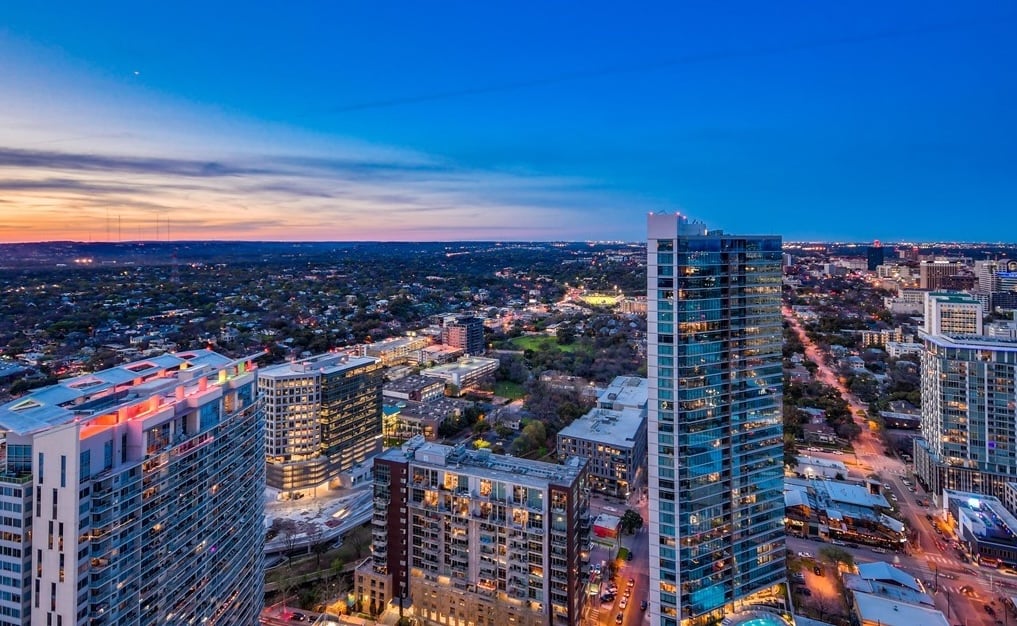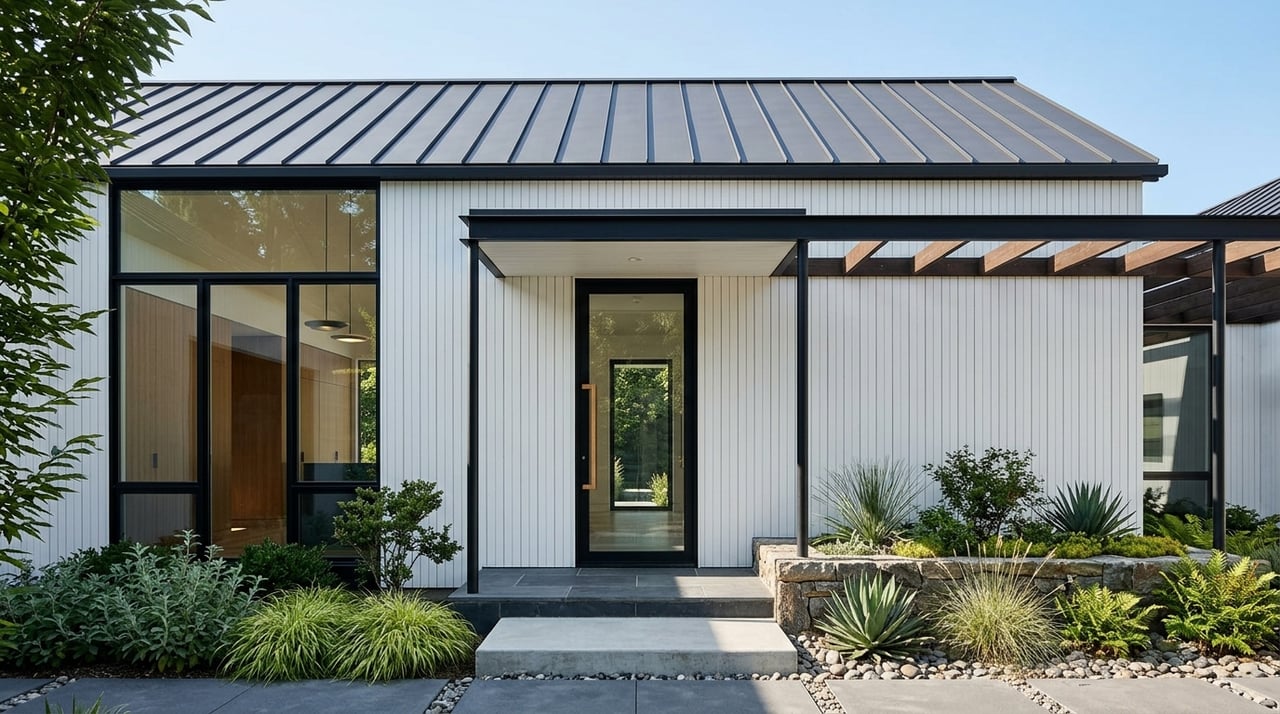
If you want a close-in Austin home that gives you both personality and practicality, Central East Austin deserves a serious look. This part of the city offers a mix of older homes, newer infill, transit access, and everyday convenience, but it also asks you to look carefully at each block and property. When you understand how the area is layered, you can buy with more confidence and fewer surprises. Let’s dive in.
Why Central East Austin Stands Out
Central East Austin is not one uniform neighborhood. The City of Austin’s Central East Austin planning area sits roughly between I-35, Martin Luther King Jr. Boulevard, Chicon, Rosewood, Northwestern, and East 7th and East 6th alley lines, and it includes several internal neighborhood areas.
In real-world home searches, many buyers also look at adjacent East Austin districts like East Cesar Chavez and Holly because they share the same close-to-downtown appeal. That broader view matters because lifestyle, housing type, and future development can shift quickly as you move from one corridor to the next.
For many buyers, the draw is simple. You get an urban, connected setting with established character, a growing mix of housing choices, and access to downtown, trails, and transit without committing to a fully high-rise lifestyle.
Housing Types Vary by Block
One of the biggest strengths of Central East Austin is its variety. You are not shopping one single product type here, which can be a major advantage if you want options in both style and use.
Older areas include homes tied to long-established architectural patterns such as Victorian, Folk Victorian, National Folk, Craftsman, and Minimal Traditional styles. In nearby East Cesar Chavez, the city describes the district as one of Austin’s oldest areas, which helps explain why the housing stock can feel layered and visually distinct.
At the same time, newer development has changed the picture. The Plaza Saltillo transit-oriented development plan calls for a mix that includes high-density mixed-use buildings near the rail stop, transition areas with townhouses and live-work units, and lower-density edges with cottage-style detached homes and rear alley garages.
That means your search could include:
- Older cottages and bungalows
- Renovated historic-era homes
- Townhomes and live-work style residences
- Mixed-use condominiums
- Newer infill homes on smaller lots
A recent example of this evolution is The Ivory at 1309 Chicon Street, which opened in June 2026 as Austin’s first carless condominium community. It shows how urban infill in Central East Austin can take the form of mixed-use condo living, not just detached housing.
Character Comes With Context
If you are drawn to an older home, it is important to understand the preservation landscape before you write an offer. In Central East Austin, historic character is part of the appeal, but it can also affect what future changes are possible.
Austin notes that local historic districts provide the strongest protection for distinctive older neighborhoods. Those district rules can limit demolition or rebuilding choices, which may matter if you are planning a major remodel, addition, or redevelopment strategy.
Just as important, survey status and official designation are not the same thing. The city’s East Austin Historic Resource Survey is documenting pre-1983 buildings as a planning tool, and the survey itself does not automatically change zoning or taxes.
For buyers, the practical takeaway is to verify whether a property is:
- In a survey area
- In a local historic district
- Associated with a landmark or other preservation context
Those categories can have very different implications. If you love older homes, this extra diligence is worth it.
Convenience Is a Big Part of the Appeal
Central East Austin attracts buyers who want more than just a house. Many people choose this area because they want daily life to feel connected, active, and close to the city’s core.
The East Cesar Chavez district helps explain that appeal. The city describes it as a place with culinary, artistic, and community-oriented activity, along with public art, gateway features, and pocket parks. In practical terms, that often means your surroundings may include cafes, creative businesses, mixed-use blocks, and a more urban rhythm than you would find in a purely residential area.
Walkability tends to feel strongest near areas like East Cesar Chavez, Plaza Saltillo, East 11th and 12th Streets, and parts of the trail network. Quieter residential pockets may offer a little more separation from activity, but you may trade some convenience to get it.
That block-by-block tradeoff is one of the most important things to understand before you buy. Two homes that are only a few minutes apart can offer very different day-to-day experiences.
Transit Access Can Shape Your Lifestyle
Transit is one of Central East Austin’s strongest practical advantages. If you value flexibility in how you move through Austin, this area has a lot working in its favor.
CapMetro’s high-frequency network includes Route 2 Rosewood/Cesar Chavez, which runs through downtown past the Capitol and Republic Square before serving Cesar Chavez. Route 4 serves East 7th Street, and Rapid Routes 800 and 837 connect East Austin with UT and downtown.
The Plaza Saltillo area is also planned as a transit-oriented district built around a high-pedestrian mixed-use center. That planning framework helps explain why some parts of Central East Austin feel distinctly urban even where residential housing remains part of the mix.
If you want a home where driving is not your only option, this convenience can be a major reason to focus your search here.
Outdoor Access Is Improving
Central East Austin is not only about proximity to downtown streets and businesses. Outdoor connectivity is also part of the area's appeal, especially near the Holly area and the waterfront trail system.
The Holly Project is expected to improve the Butler Trail connection and add a new trailhead, lakefront trail improvements, and a play area, with construction anticipated in 2027. For buyers, that points to stronger recreation and connectivity options in the years ahead.
This matters if you are trying to balance urban convenience with access to open-air spaces. In close-in neighborhoods, even modest trail and public space improvements can have an outsized impact on daily quality of life.
Future Change Is Part of the Story
Central East Austin offers character and convenience, but it is also an area in motion. If you buy here, it helps to be comfortable with change.
The East 11th and 12th Streets Urban Renewal Plan continued to see modifications in 2025 and 2026, including updates tied to height stepbacks and allowed uses on select blocks. That tells you these corridors are still being actively recalibrated rather than locked into a finished form.
Project Connect also remains a major factor. Austin’s update says light rail is moving toward construction activities expected to start in 2027, and CapMetro has already introduced new Rapid service in East Austin as part of the larger transit buildout.
Then there is I-35. The city’s Our Future 35 materials indicate that the future highway design will use segmented caps rather than one continuous cap, along with a north-south multi-purpose trail and East Avenue Trail improvements within TxDOT right of way.
For buyers, this creates a balanced picture:
- Potential upside: better transit, stronger trail connections, and more mixed-use energy
- Possible disruption: construction, detours, and shifting access patterns near major corridors
That does not make the area less appealing. It simply means your home search should account for both current livability and what may change around a property over time.
How to Buy More Strategically Here
Because Central East Austin is so varied, a smart buying approach matters. This is not usually a market where broad assumptions work well.
Start by defining your version of convenience. You may want to be close to transit, trails, dining, or downtown access, but not every part of the area delivers those benefits in the same way.
Next, match the property type to your goals. An older bungalow, a newer infill home, and a mixed-use condo can each support a different lifestyle, maintenance plan, and long-term vision.
It also helps to ask detailed questions about planning context. If you are considering an older home, confirm whether preservation rules may affect future work. If you are buying near a major corridor, look at how nearby infrastructure and redevelopment activity could shape your experience.
A few practical priorities to keep in mind:
- Check the immediate block, not just the broader neighborhood name
- Review transit and trail proximity if daily mobility matters to you
- Understand whether the home sits in an older preservation context
- Expect more variation in built form than in many other central neighborhoods
- Balance today’s character with tomorrow’s construction and change
The Bottom Line on Central East Austin
Buying a home in Central East Austin can be a smart move if you want a close-in location with real personality and strong day-to-day access. The area offers a meaningful mix of old and new, from historic houses and cottages to townhomes, condos, and modern infill.
The key is to look past the broad label and evaluate each property in context. In a part of Austin shaped by preservation, transit, redevelopment, and evolving public spaces, the best purchase is usually the one that fits both your lifestyle now and your comfort with change ahead.
If you are considering a move in Central East Austin and want thoughtful, discreet guidance tailored to your goals, Robin Banister can help you evaluate the market with clarity and confidence.
FAQs
What kind of homes can you find in Central East Austin?
- You can find a wide mix, including older cottages, bungalows, historic-era homes, townhomes, mixed-use condos, and newer infill properties.
What should you know about historic homes in Central East Austin?
- You should confirm whether a home is in a survey area, local historic district, or other preservation context, because those situations can affect future demolition or remodeling options.
How convenient is Central East Austin for getting around Austin?
- Central East Austin offers strong access to downtown and public transit, including CapMetro high-frequency routes, Rapid service, and the transit-oriented Plaza Saltillo area.
What parts of Central East Austin feel most walkable?
- Walkability is generally strongest near East Cesar Chavez, Plaza Saltillo, East 11th and 12th Streets, and parts of the trail network, while quieter residential blocks may offer less immediate convenience.
What future development should buyers watch in Central East Austin?
- Buyers should watch ongoing updates around East 11th and 12th Streets, Project Connect light rail planning, I-35 corridor changes, and trail improvements near the Holly area.
Is Central East Austin a uniform neighborhood experience?
- No. Central East Austin is better understood as a layered close-in market with significant block-by-block variation in housing type, street feel, amenities, and future development activity.