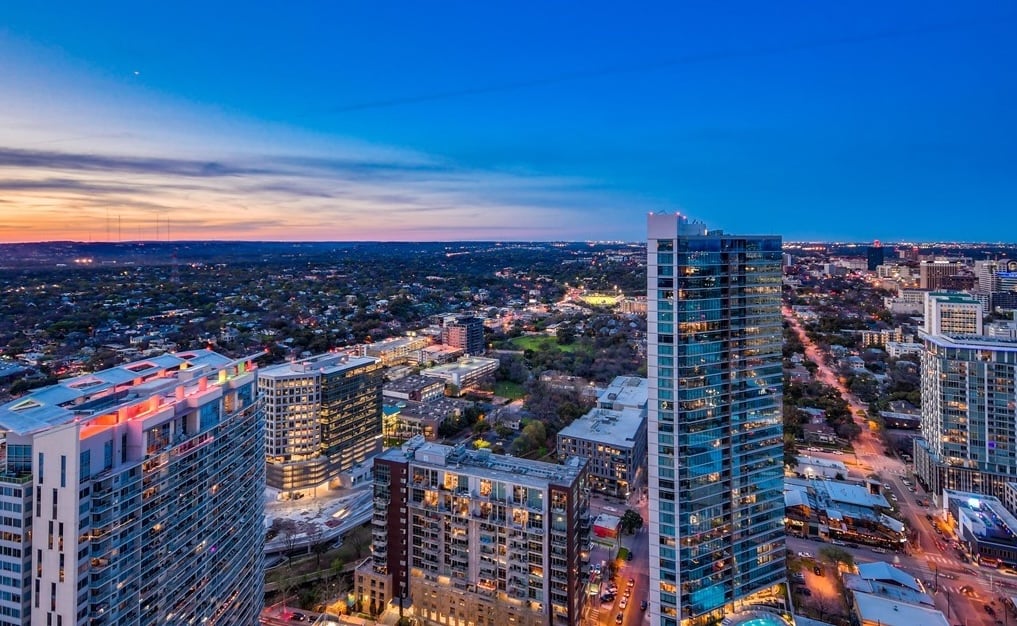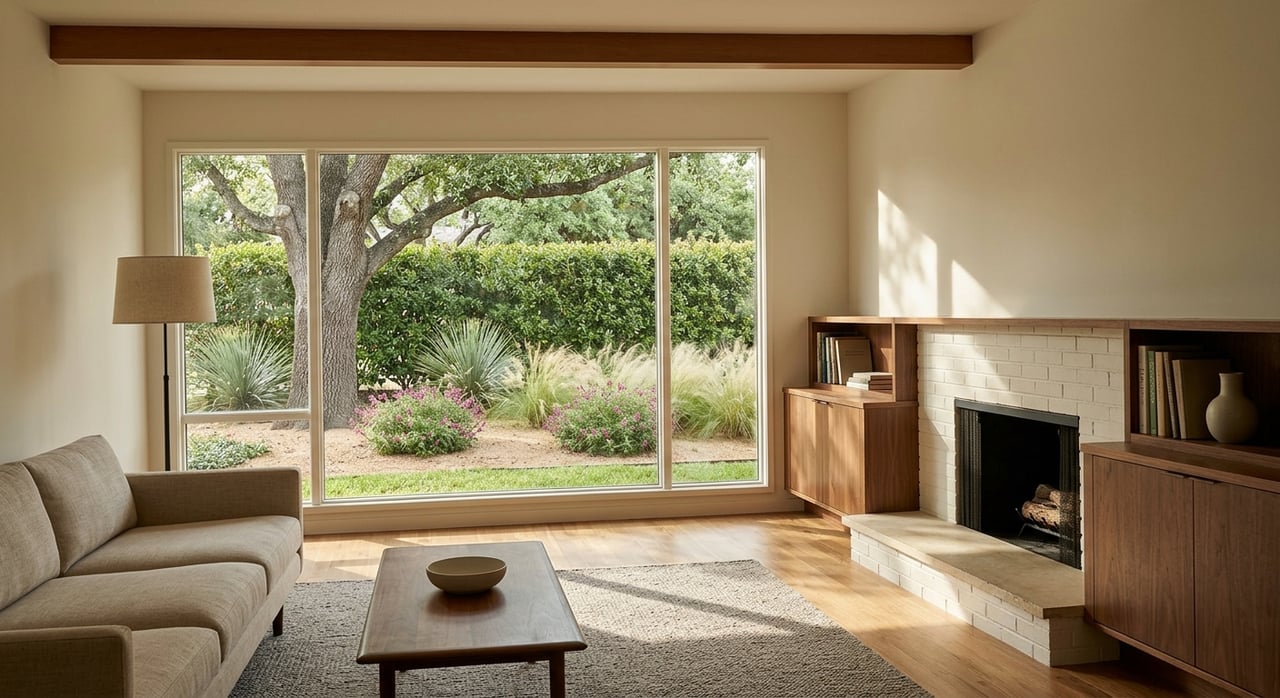
If you love Crestview, you probably already know the appeal: mature trees, classic ranch homes, and a central Austin location that still feels established. The challenge is that midcentury charm can tempt buyers to stretch past what the house, lot, and long-term upkeep really justify. If you want to buy with confidence, it helps to know where value comes from, where risk hides, and where negotiation room may exist. Let’s dive in.
Why Crestview draws midcentury buyers
Crestview has a well-defined footprint, bounded by Anderson Lane to the north, Lamar Boulevard to the west, Justin Lane to the south, and Burnet Road to the east, according to the Crestview-Wooten Neighborhood Plan. The same plan describes the area as predominantly single-family and largely built out, with only about 1% vacant land in the combined planning area.
That context matters when you shop here. In a neighborhood with limited vacant land and established tree canopy, buyers are often evaluating not just a house but a scarce homesite in a mature part of Austin. It is one reason pricing can feel nuanced, especially when two homes with similar square footage trade very differently.
Crestview’s housing story also supports its midcentury reputation. Apartments.com’s local guide notes that the neighborhood was developed on the site of an old dairy farm in the 1950s and includes mid-century ranch homes and bungalows. That means many buyers are looking at original or partially updated homes from an era with strong design character, but also aging systems and renovation considerations.
Crestview prices in today’s market
Recent numbers suggest you should stay disciplined. Redfin reports that Crestview’s median sale price was $635,000 in February 2026, down 3.1% from the year before, with homes taking a median 114 days to sell.
That same Redfin data says Crestview is not very competitive, and the average home sells for about 4% below list price. For buyers, that can be good news. It may give you room to negotiate, but it does not mean every charming house is automatically a value.
A Zillow neighborhood snapshot from February 28, 2026, put Crestview’s typical home value at $583,355, down 6.5% year over year, with 30 homes for sale and a median list price of $644,333. On a broader level, Unlock MLS reported a February 2026 median residential sale price of $540,000 for the City of Austin, with 6.2 months of inventory and an average close-to-list ratio of 92.1%.
In other words, Crestview still commands a premium over the city overall. Based on those figures, Crestview’s median sale price sits about $95,000 above Austin’s citywide median. So while the market may be softer than past peaks, buyers still need to separate true value from nostalgia pricing.
How to tell what you are paying for
In Crestview, you are rarely paying for just one thing. You may be paying for the house, the lot, or some combination of both.
Because the neighborhood is mostly built out and largely single-family, lot characteristics carry real weight. The city’s neighborhood plan emphasizes preserving tree canopy and pervious cover, which means the development potential of a site may be more limited than a quick glance suggests. A large lot is not automatically a blank slate.
A practical way to think about value is this:
- House-driven value often shows up when the home has a functional layout, updated systems, and improvements that respect the original character.
- Lot-driven value tends to matter more when the site size, placement of the existing structure, and development constraints create future options.
- Combined value is where buyers often compete most confidently, especially when a livable midcentury home also sits on a lot with sensible long-term flexibility.
If a home is priced aggressively, ask whether the premium is tied to current livability, future expansion potential, or simply seller expectations. In Crestview, those are not the same thing.
Which updates justify a higher price
Older Crestview homes can be beautiful, but not every remodel deserves a premium. In a neighborhood known for midcentury ranch homes and cottages, the most defensible updates are usually the ones that improve how you live day to day without wiping out the home’s original appeal.
In practical terms, that often means value is better supported by:
- Improved floor plan function
- Updated major systems
- Thoughtful kitchen or bath improvements
- Expansion potential that actually fits the lot and site constraints
- Repairs or improvements that reduce near-term ownership risk
Cosmetic work alone should not carry the same weight as substantial functional upgrades. Fresh finishes can be nice, but they should not distract you from the harder questions: What has been replaced, what was permitted, and what still may need attention?
Renovation risk in older homes
Many Crestview homes date to the 1950s or around 1960, which makes renovation diligence especially important. The EPA explains that homes built before 1978 are more likely to contain lead-based paint, and renovation activity can create hazardous lead dust if the work is not handled with lead-safe practices.
That does not mean you should avoid older homes. It does mean you should budget realistically and understand the scope of work before you make a low-contingency offer.
If you are considering a major remodel, addition, or extensive cosmetic work, ask early questions about:
- The age of the home
- Past renovation history
- Whether work appears to have been permitted
- The condition of major systems
- Whether lead-safe renovation practices may apply
When an addition makes sense
An addition or second-story project can look appealing on paper, but it only makes sense when the site truly supports it. In Crestview, the built-out character of the neighborhood, along with tree canopy and pervious-cover considerations in the neighborhood plan, means future expansion should be evaluated carefully.
Before you assign value to a possible addition, verify what the property can reasonably support. A home that seems underbuilt for the lot may still face practical limits tied to zoning, setbacks, drainage, trees, or prior improvements.
The right approach is not to assume. It is to confirm.
Due diligence you should not skip
Even in a market with negotiation room, diligence matters. Redfin’s market data suggests multiple offers are rare and average sales come in below list, but that is not a reason to move too quickly.
Start with the city’s Property Profile tool. Austin says it provides official records related to permits, zoning, and property history, though recent changes may not appear immediately.
Then check FloodPro for floodplain maps, storm-drain information, and elevation certificate details. Flood and drainage questions can affect both current usability and future improvement plans.
You should also hire a TREC-licensed inspector. Texas inspectors follow minimum standards of practice for one- to four-family dwellings, which gives you a more structured view of condition before you finalize a purchase.
If the home is older or has unique status, review the city’s Historic Property Viewer through Austin’s property resources. The city says it can show whether a property is a historic landmark, in a locally designated historic district, or in a National Register district. That can matter before you assume you can renovate freely.
Finally, review tax information early. Travis County notes that TCAD resources and tax office tools provide property information, appraised values, maps, and protest guidance, while also warning that estimates are only estimates and may not reflect every law or exemption.
Does Crestview Station affect value?
Transit is part of Crestview’s identity. CapMetro’s high-frequency network information notes that high-frequency service operates every day of the week, and Route 7 begins near Crestview Station. The city also directs applicants interested in developing near the Crestview Red Line Station to the Lamar/Justin TOD Regulating Plan.
For buyers, that can influence value in two ways. First, proximity to transit may support convenience and long-term appeal for some households. Second, being near a station can shape future redevelopment pressure and planning considerations in nearby areas.
That does not make every nearby home worth more by default. It means location within Crestview should be interpreted carefully, with attention to both everyday access and the surrounding development context.
A smart buying strategy in Crestview
If you want midcentury charm in Crestview without overpaying, your advantage comes from discipline, not speed. The market appears more negotiable than ultra-competitive, but the neighborhood still rewards buyers who know how to evaluate value beyond finishes and staging.
A strong strategy usually looks like this:
- Define whether you want a move-in-ready home, a light project, or a long-term renovation play.
- Compare the asking price to what you are really buying: the structure, the lot, or both.
- Verify permits, zoning, floodplain context, and tax picture before you get too far.
- Use inspections to understand aging-home risk before trimming contingencies.
- Negotiate with the current market in mind, especially when days on market are long and list prices may have room.
When you buy well in Crestview, you are not just chasing charm. You are matching character, condition, lot utility, and price in a way that supports your long-term plans.
If you want a measured, discreet perspective on buying in Central Austin, Robin Banister can help you evaluate opportunities with the kind of diligence and negotiation discipline that protects both lifestyle and value.
FAQs
How competitive is the Crestview home market for buyers?
- According to Redfin, Crestview is not very competitive, homes took a median 114 days to sell in February 2026, and the average home sold for about 4% below list price.
How do Crestview home prices compare with Austin overall?
- Redfin reported a $635,000 median sale price in Crestview for February 2026, while Unlock MLS reported a $540,000 citywide Austin median, putting Crestview roughly $95,000 higher.
What should buyers check before purchasing an older Crestview home?
- You should review Austin Property Profile records, check FloodPro, hire a TREC-licensed inspector, and pay close attention to renovation history, permits, and possible lead-paint risk in pre-1978 homes.
Do updates increase value in Crestview midcentury homes?
- Updates that improve function, systems, and realistic expansion potential usually support value more clearly than cosmetic changes alone.
Does living near Crestview Station affect a home purchase decision?
- It can, because transit access may add convenience and influence nearby planning or redevelopment context, but buyers should evaluate each property individually rather than assume a blanket premium.
Where can buyers get trusted help buying in Crestview?
- Buyers who want careful local guidance and a private consultation can connect with Robin Banister.