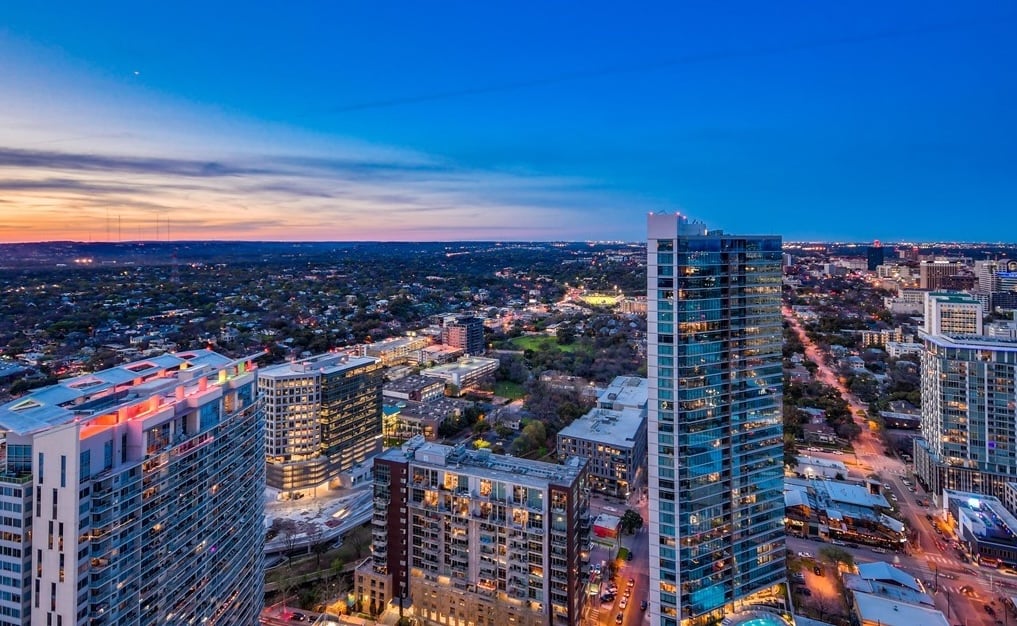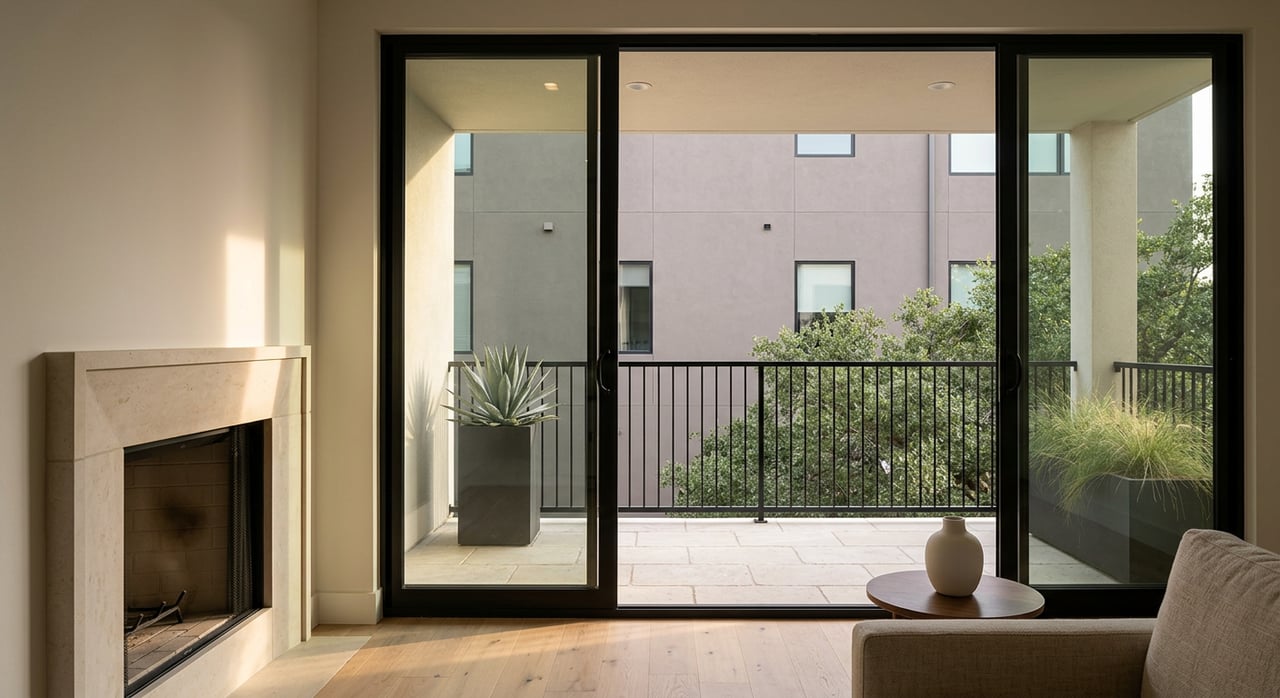
Do you picture mornings on the hike-and-bike trail and evenings walking to dinner, yet also want enough space to host friends or a quiet place to unwind? Choosing between a Downtown Austin condo and a nearby single-family or townhome is a real lifestyle decision. You want clarity on costs, noise, parking, financing, and resale before you commit. This guide gives you a straightforward way to compare options so you can buy with confidence. Let’s dive in.
What you get with a downtown condo
Walkability and lock-and-leave
If you love being out the door and on foot, downtown shines. Many core addresses score in the 90s for walkability, which supports a true lock-and-leave lifestyle where daily errands happen on foot. For a quick reference, see how a central tower rates on Walk Score as an example of downtown convenience: walkability near AMLI Downtown. Always verify the specific address you are targeting.
Amenities and building services
Condo towers often include a concierge, fitness center, pool, package rooms, and secured parking. Many buildings fold water, trash, and building insurance for common areas into the monthly HOA. That can replace chores like lawn care and exterior maintenance. The tradeoff is a fixed monthly fee that varies by building age, staff levels, and amenity mix.
HOA dues and what they cover
Monthly HOA dues in Downtown Austin vary widely. Recent examples show fees from the low hundreds to well over one thousand dollars per month depending on the tower and services. Mid-range buildings with a gym and pool tend to sit in the mid-to-upper hundreds. Luxury buildings with extensive staffing and amenities can exceed one to two thousand dollars per month. Always read the resale certificate to see exactly what is covered and whether parking is deeded or fee-based.
Financing and condo approvals
Condos can face project-level underwriting that single-family homes do not. If you plan to use FHA or VA financing, confirm the project’s approval status or whether single-unit approval is possible. Lenders also review owner-occupancy, commercial-use percentages, reserves, and delinquency rates. Start this check early by reviewing HUD’s condo approval guidance with your lender.
Parking and car-light living
Some towers include a deeded garage space with the unit, while others sell parking separately or limit guest parking. If you own more than one car or prefer guaranteed covered parking, confirm what is included before you write an offer. Many residents pair one vehicle with rideshare, scooters, or bikes to keep things simple.
What you get with a nearby house or townhome
Space, privacy, and outdoor access
Houses and townhomes within one to three miles of the core usually deliver more interior square footage and private outdoor space. You also reduce shared walls and in-wall systems, which can mean fewer neighbor-related noise sources. For many buyers, a small yard and flexible floor plan are the top reasons to pick a house.
Costs you manage directly
You skip HOA dues in many single-family settings, but you take on lawn care, exterior upkeep, and separate utility payments. You also carry the full cost of roof, fence, and systems over time. When you compare a house to a condo, line up monthly carrying costs side by side so you see the true difference.
Noise and neighborhood pace
Downtown includes entertainment districts like Sixth Street, Rainey, and Red River. The City enforces amplified-sound rules, but evening noise and event traffic are part of city-center living. If you are noise sensitive, review building orientation and window systems and study the City’s entertainment and amplified sound guidance before you choose.
Property tax and homestead in Travis County
Texas offers a general residence homestead exemption that can reduce your tax burden and, for many owners, limit annual taxable-value increases. If you will occupy the property as your primary residence, apply through the Travis Central Appraisal District. Learn how and when to file on the TCAD homestead exemption page.
Risk checks before you choose
HOA health and reserves
For condos, ask for the HOA budget, reserve study, special-assessment history, owner-occupancy percentage, delinquency rates, and any pending litigation. These items affect both risk and financing. Texas’ condo framework lives in Texas Property Code Chapter 82. If reserves are thin or major repairs loom, lenders may tighten terms and values can be more volatile.
Flood and insurance considerations
Portions of downtown sit near Lady Bird Lake and Waller Creek. The City’s Waller Creek tunnel reduced parts of the floodplain footprint, but risk still varies by building and even by stack or floor. Start with FEMA and City floodplain maps, and ask the HOA about any water-intrusion claims. For background on the tunnel’s impact, see this Waller Creek district case note.
Short-term rentals and leasing rules
If you plan to rent out a unit, confirm both City licensing and building rules first. Austin requires short-term rental registration and collects Hotel Occupancy Tax for operators. Many condo associations restrict or prohibit STRs. Review the City’s Short-Term Rental program and the building’s CC&Rs before assuming any rental income.
Compare monthly costs quickly
Use this simple worksheet to see apples-to-apples numbers:
- Downtown condo: mortgage + property taxes + HOA dues + condo insurance + parking fees (if separate) + any utilities not covered by HOA.
- Nearby house/townhome: mortgage + property taxes + homeowner’s insurance + utilities + lawn/exterior maintenance + reserves for roof and systems.
- Add one-time items for both: closing costs, move-in fees or elevator deposits for condos, and expected upgrades.
Real-world HOA ranges and what they include
To make the math tangible, here are representative examples from recent listings. Always confirm the current fee and inclusions on the resale certificate for the unit you are considering.
- Mid-rise with amenities in the core: Seaholm-area units have shown HOA dues in the mid-hundreds per month. These typically cover common-area insurance, amenities like a gym and pool, water, and trash. Exact inclusions vary by listing and tower.
- Amenity-rich high-rise: At 360 Nueces, a recent listing reflected monthly dues around the low one-thousand range, supporting 24-hour services and robust amenities. See a representative listing for 360 Nueces to understand how amenities align with fees.
- Luxury, full-service towers: Newer or ultra-amenitized buildings like those along East Avenue or on 2nd Street can exceed one to two thousand dollars per month, reflecting concierge staffing, expansive communal spaces, and premium services. Confirm whether parking, internet, and utilities are included.
The takeaway: HOA dues are not “extra.” They purchase staffing, services, and insurance that you would otherwise pay for and manage yourself. Line-item each inclusion to understand value.
Resale and exit strategy
Buyer pools differ. Downtown condos appeal to relocators, empty-nesters, and professionals who value convenience and amenities. Houses and townhomes near the core tend to attract buyers who want outdoor space and more flexibility. Condos can be sensitive to HOA news, special assessments, or financing changes, so project stability matters. Look closely at days on market, price per square foot, and any building-level headlines before you write an offer.
A simple decision framework
Use this checklist to get to a confident yes:
- Clarify your priorities. Rank walkability, space, outdoor access, noise tolerance, and maintenance involvement.
- Run the full monthly number. Compare mortgage, taxes, insurance, HOA, utilities, and maintenance side by side.
- Verify building or property risks. Review HOA reserves, assessment history, litigation, and flood exposure for the exact address.
- Confirm your financing path. Ask your lender about condo warrantability and any FHA or VA requirements using HUD’s condo guidance.
- Check parking and storage. Confirm deeded spaces, guest policies, EV options, and any fees.
- If renting is part of the plan, confirm City licensing and building STR rules on the Austin STR page.
- For primary residences, plan to file your Travis County homestead exemption after closing, following TCAD timelines.
When you want both clarity and discretion, an experienced local advisor can help you assemble the right documents, pressure-test numbers, and negotiate from a position of strength. If you are deciding between a downtown tower and a nearby house in Central or West Austin, request a private consult with Robin Banister to map the best path for your goals.
FAQs
What monthly costs should I expect for a Downtown Austin condo?
- Budget for mortgage, property taxes, condo insurance, and HOA dues, plus any separate parking or utilities not covered by the HOA.
How do HOA dues compare to owning a house near downtown?
- Condo dues cover shared services like staffing, amenities, water, trash, and common-area insurance, while houses shift those costs to owner-paid utilities and maintenance.
Can I use a downtown condo for short-term rentals in Austin?
- You must follow City licensing rules and your building’s CC&Rs, and many associations restrict or prohibit STRs; start with the City’s STR guidance.
What financing issues could affect my downtown condo purchase?
- Lenders review project health and approval status, including reserves, owner-occupancy, commercial-use mix, and delinquency rates, which can limit FHA or VA options.
Does flood risk affect downtown properties near Lady Bird Lake?
- Risk varies by address and building; check FEMA and City maps and ask about any water-intrusion history, noting the Waller Creek tunnel reduced some mapped risk areas.
How does the Travis County homestead exemption work for buyers?
- If you will occupy the home as your primary residence, apply through TCAD to reduce part of your tax bill and potentially cap certain taxable-value increases.