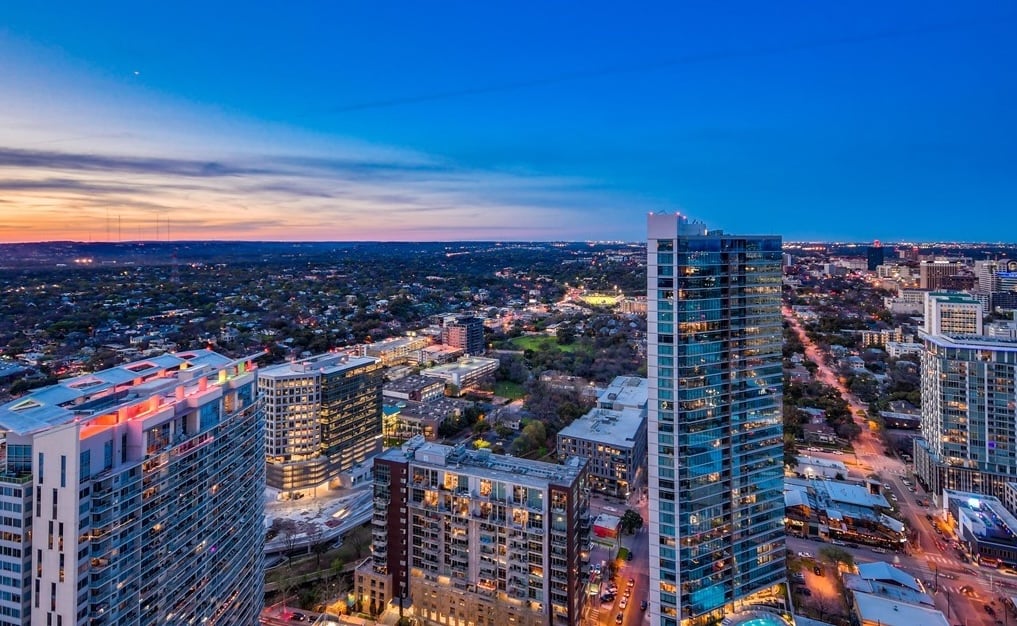
Curious what everyday life really feels like in West Lake Hills and Rollingwood? If you want privacy, greenspace, and fast access to downtown Austin, these two hillside cities might be your match. In this guide, you’ll see how the neighborhoods live day to day, from commutes and schools to lake access, parks, and what to watch for when buying. Let’s dive in.
Neighborhood vibe and setting
West Lake Hills and Rollingwood sit just west of downtown in the hills above Lake Austin. You’ll find mature live oaks, winding roads, and large lots with a low‑density, residential feel. Housing ranges from mid‑century homes to newer custom builds and luxury rebuilds, with some properties enjoying skyline or lake views.
Commercial space inside the city limits is limited. Most daily needs cluster along Bee Cave Road, Loop 360, and nearby central Austin corridors. To understand municipal services and local ordinances, start with the city pages for the City of West Lake Hills and the City of Rollingwood.
Daily rhythm and lifestyle
Days here feel quiet and private. Evenings often shift toward downtown dining or nearby shopping and restaurant nodes along Bee Cave Road and MoPac. Outdoor time is easy to prioritize, with quick access to Lake Austin and Hill Country trails.
Life is car‑oriented. Sidewalks are limited in many residential pockets, and public transit within the hills is minimal. Both cities provide small‑city services while also relying on Travis County and the City of Austin for some infrastructure and parks.
Getting around
Commute basics
You are close by distance to downtown Austin. Drive times vary with rush hour on MoPac, Loop 360, Bee Cave Road, and Westlake Drive. Most residents drive, carpool, or use employer shuttles. Public transit options exist but are limited relative to central Austin, so check current routes on Capital Metro’s service pages.
Walking and biking
Hilly terrain and faster arterial roads make everyday biking and walking more challenging in the interior neighborhoods. Experienced cyclists do ride into central Austin, often early mornings or weekends. Walkability improves near small commercial nodes, schools, and parks, but most errands still mean a short drive.
Practical tips
- Test your preferred route at both morning and evening peak hours.
- Factor in school drop‑off and pick‑up traffic on key corridors.
- Identify two alternate paths for MoPac or 360 in case of incidents.
Schools and learning
Public schools
Most addresses in West Lake Hills and Rollingwood are served by Eanes Independent School District, which is widely regarded for academics, arts, and athletics. Always verify the exact attendance zone for a specific property using district maps, since boundaries can create exceptions. For accountability reports and data, review the Texas Education Agency.
Private and early childhood options
You will find a range of private and parochial schools across West and Central Austin, including Montessori, Episcopal, and college‑preparatory programs. Confirm current campuses and admissions timelines directly with each school, since offerings and enrollment change.
Youth programs and activities
Eanes ISD offers robust extracurriculars, and both cities maintain neighborhood parks and fields. Regional options expand quickly nearby, with City of Austin facilities across the river and into the greenbelt network. To explore programs and park details, use the City of Austin Parks and Recreation site.
Outdoors and Lake Austin
Lake Austin is a defining lifestyle feature. Residents enjoy boating, paddleboarding, fishing, and scenic waterside meals at select waterfront restaurants. Public access points and boating rules are managed by the Lower Colorado River Authority, so always confirm hours, permits, and safety guidance with the LCRA.
Beyond the water, you are minutes from the Barton Creek corridor, Hill Country trailheads, and regional parks. City parks inside West Lake Hills and Rollingwood tend to be small and neighborhood‑oriented, while nearby Austin‑managed parks offer larger trail systems and sports facilities.
Housing and costs
These two cities sit among the more expensive parts of the Austin metro. Expect a mix of mid‑century cottages in Rollingwood and custom luxury homes across both areas. Limited land, large lots, and zoning that favors single‑family homes keep inventory tight, which can create competition for standout listings.
Market numbers shift with broader Austin trends. For up‑to‑date regional context, review monthly reports from the Austin Board of REALTORS®. If you are evaluating taxes or assessed values, use the Travis County Appraisal District for parcel‑specific information.
What drives value
- Lot characteristics, including slope, views, and tree canopy.
- Proximity to parks, lake access points, and major corridors.
- Renovation quality and how well the home suits hillside conditions.
- Verified school attendance for the property’s address.
Practical buyer considerations
Hillside living is beautiful and unique, but it comes with a few technical checks. Many properties sit on steep slopes with significant grade changes. You will want specialists who understand West Austin terrain and municipal rules.
Key items to plan for:
- Utilities and septic: Some parcels rely on septic systems. Confirm providers and system details before you write an offer.
- Drainage and retaining walls: Ask your inspector to assess grading, gutters, and retaining structures.
- Trees and landscaping: Mature live oaks are an asset. Tree protection ordinances and water use should guide landscape plans.
- Dock and shoreline rights: Lakefront and near‑lake parcels may have unique deed conditions. Verify rights and permitting with the LCRA and title documents.
- HOA or deed restrictions: Architectural controls can affect additions, pools, or exterior materials.
- Property taxes: Check current rates, exemptions, and any special districts through TCAD.
Everyday conveniences
You will likely run most errands along Bee Cave Road, Loop 360, and into central Austin. Grocery, specialty retail, fitness, and dining are concentrated along these corridors. For larger nights out, downtown is close by distance, which makes restaurants, venues, and events easy to reach when traffic cooperates.
How to evaluate a specific property
Use this quick checklist when a home catches your eye:
- Confirm the address falls in your preferred public school attendance zone with Eanes ISD.
- Review hillside and impervious cover rules with the appropriate city. Start with West Lake Hills or Rollingwood, then consult your inspector and engineer.
- Verify utility providers, including whether the home uses a septic system.
- Assess drainage patterns, retaining walls, and driveway slope for safe access.
- If lake proximity matters, confirm dock or shoreline rights with the LCRA before you finalize terms.
- Estimate annual taxes and exemptions via TCAD.
- Test drive your commute at peak hours and check bus options on Capital Metro if needed.
Who this area fits
If you value privacy, a residential feel, and easy access to outdoor recreation, West Lake Hills and Rollingwood deliver. Households seeking high‑performing public schools, larger lots, and proximity to downtown often find the trade‑offs in walkability and transit well worth it. The key is to align your lifestyle and commute with the neighborhood’s hillside setting.
When you want discreet, end‑to‑end guidance on homes here, from off‑market access to careful due diligence, connect with Robin Banister for a private consultation. Robin’s white‑glove advisorship and Compass Private Exclusives access help you evaluate options with confidence and discretion.
FAQs
How close are these cities to downtown Austin?
- West Lake Hills and Rollingwood are close by distance to downtown, but rush‑hour traffic on MoPac and 360 can change drive times, so test your route at peak hours.
Which public school district serves the area?
- Most addresses are served by Eanes ISD, though you should verify attendance for a specific property and review reports via the Texas Education Agency.
What is lake access like for residents?
- Lake Austin is a major amenity, with public access and boating rules managed by the LCRA; private docks require verified rights and permits.
What transit options are available for commuting?
- Driving is the primary mode, with limited bus service relative to central Austin; check routes and schedules on Capital Metro.
What inspection issues are common on hillside homes?
- Have experts review drainage, retaining walls, foundation movement, tree protection, driveway slope, and whether the home uses septic or city services.
How are property taxes handled here?
- Property tax bills typically include city, county, and school district line items; verify assessed values and rates with the Travis County Appraisal District.