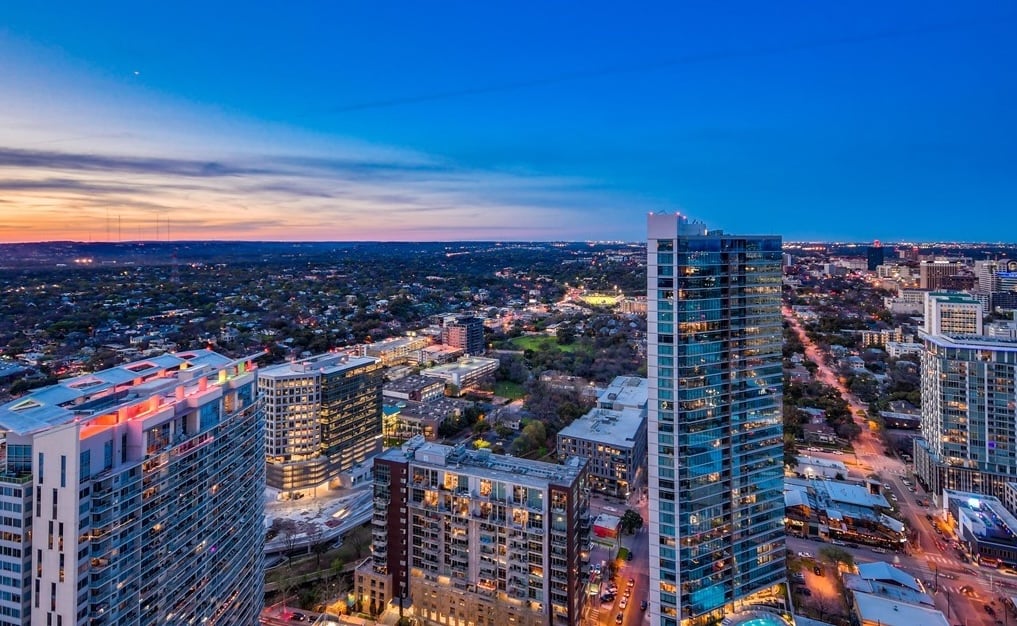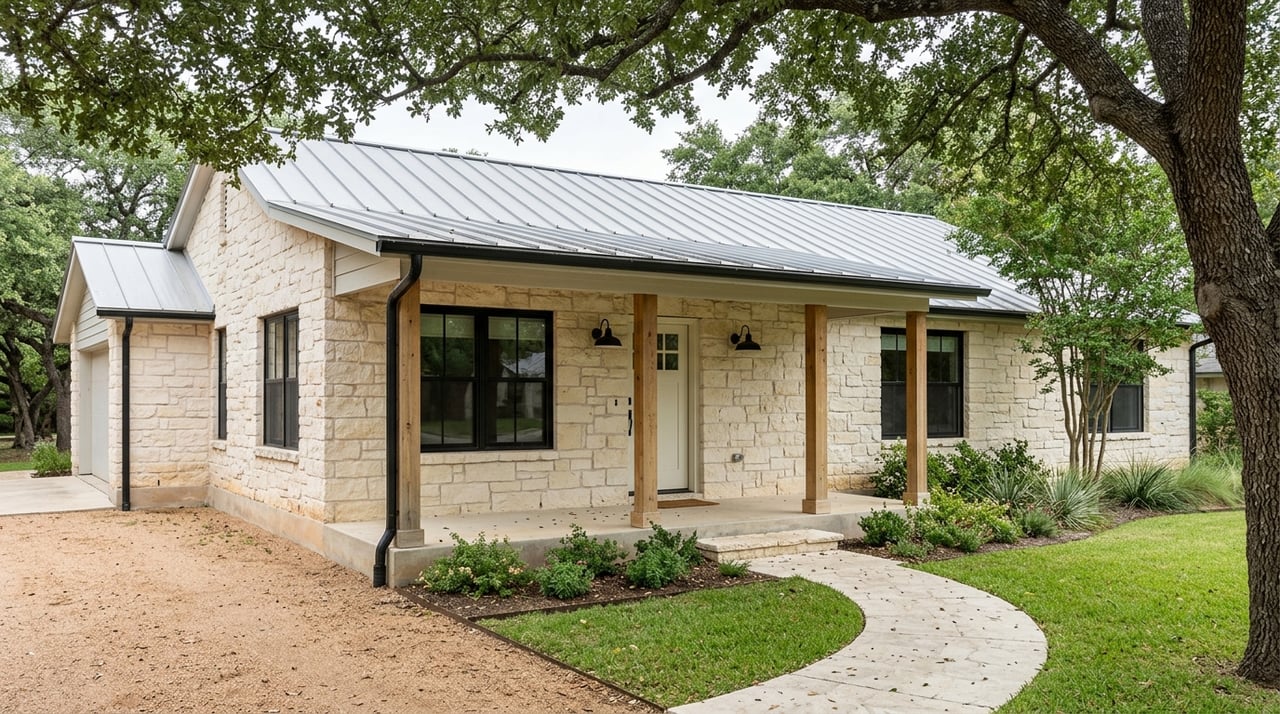
Thinking about moving to Dripping Springs? You are not alone. This growing Hill Country city has drawn buyers looking for more space, a slower pace, and access to both local amenities and Austin, but it comes with a different set of buying considerations than a typical in-city purchase. Before you buy, it helps to understand what daily life, housing options, commute patterns, and utility due diligence can really look like. Let’s dive in.
Why Dripping Springs Appeals to Buyers
Dripping Springs offers a mix that is hard to ignore if you want Hill Country surroundings without feeling too far removed from Austin. The city describes itself as a community with open spaces, shopping, live music, breweries, and wineries, located about 25 minutes west of Austin on its official visitor information page.
That blend of lifestyle and access has helped fuel major growth. According to the U.S. Census Bureau QuickFacts, the city’s population was estimated at 10,165 as of July 1, 2024, up from 4,650 in the 2020 Census.
For many buyers, that means Dripping Springs is no longer just a quiet outpost. It is an active, evolving market where you can find a small-town feel alongside new development, expanding infrastructure, and increasing demand.
What the Local Housing Market Looks Like
One of the biggest misconceptions about Dripping Springs is that every property is the same. In reality, the housing mix can vary quite a bit depending on where you look, from newer subdivision homes to larger parcels with more land and more property-specific systems to evaluate.
The city’s 2019-2023 ACS estimates show a median owner-occupied housing value of $579,300 and an owner-occupancy rate of 51.4%, based on Census Bureau data. Those numbers point to a market with substantial owner presence and values that reflect the area’s popularity.
New growth is also reshaping what buyers may encounter. In 2021, the city approved the Anarene/Double L development agreement on about 1,677 acres north of Highway 290, with plans for 2,231 residences ranging from garden homes to estate homes on lots over an acre, along with 474 acres of open space and parkland.
That matters because it shows how broad the local housing inventory can be. You may be comparing a more traditional neighborhood home one day and a semi-rural property with acreage the next, and those two purchases can involve very different expectations.
What Daily Life Feels Like
If lifestyle is part of your decision, Dripping Springs offers more than a bedroom-community experience. The Destination Dripping Springs guide to downtown highlights historic Mercer Street, local shopping and dining, coffee spots, boutiques, brewpubs, and Founders Memorial Park, which includes a community pool, playscape, trail, and sports fields.
That gives many buyers a practical balance. You can enjoy local destinations for daily routines and weekend plans while still keeping Austin within reach.
The local demographics also help paint a picture of who lives here. Census data shows 31.8% of residents are under age 18, suggesting a community with many households planning around long-term livability, space needs, and daily logistics.
Commute Reality Matters More Than Distance
A common mistake buyers make is focusing on a map instead of a drive. Dripping Springs may be about 25 minutes west of Austin in broad terms, but your actual commute can vary significantly depending on your route, your destination, and the time of day.
That is especially true along US 290. TxDOT’s US 290 Oak Hill to Dripping Springs study describes the corridor as a four-lane undivided roadway with a center-turn lane and reports that daily traffic has increased by up to 50% since 2010.
TxDOT also expects vehicle volumes in the corridor to increase by 3 to 5 times over the next 30 years. In response to congestion concerns, the city opened Village Grove Parkway in 2025 as a connector between Highway 290 and Ranch Road 12 to help relieve pressure around that key intersection, according to the same TxDOT corridor overview.
For buyers, the takeaway is simple: test the drive at the times you will actually travel. If your work, school, or lifestyle regularly pulls you into central or north Austin, that real-world trial run can tell you more than a mileage estimate ever will.
Schools and Address Verification
If schools are part of your planning, do not rely on the city name alone. Dripping Springs Independent School District is the main district many buyers look at, and the district says it serves about 8,800 students across nine schools over 198 square miles in northern Hays County and a small portion of Travis County, as outlined on the DSISD about page.
That geographic size is important. A Dripping Springs mailing address or location reference does not replace address-specific verification.
Before you buy, confirm the exact school assignment tied to the property you are considering. That step is especially helpful when you are comparing homes near boundary areas or evaluating options across a wider search radius.
Utilities Can Be a Bigger Adjustment
For many buyers relocating from Austin neighborhoods, the biggest surprise is not the house itself. It is the utility setup behind the house.
In Dripping Springs, utility service can vary from property to property. The City of Dripping Springs wastewater department states that wastewater infrastructure serves properties inside city limits and select subdivisions with development agreements.
That means some homes may be connected to city wastewater, while others may rely on systems with different maintenance and compliance requirements. If you are buying acreage or a semi-rural property, this becomes especially important to verify early.
Hays County states that an on-site sewage facility permit is required for all OSSFs, regardless of lot size, and ongoing maintenance is required for aerobic or advanced systems. In practical terms, a property with septic should not be treated like an in-city home with standard municipal service.
Water Supply Deserves Close Review
Water is another area where due diligence matters. Buyers should not assume every parcel has the same water source, the same restrictions, or the same long-term operating expectations.
The Dripping Springs Water Supply Corporation announced Stage 4 watering restrictions effective May 23, 2025, citing continued declines in aquifer water levels and limited recharge west of Dripping Springs. The same source notes that these conditions affect how water use is managed in the area.
The research also notes that the Hays Trinity Groundwater Conservation District is in an emergency drought stage, with wells failing at an unprecedented rate and no new permits for production or non-exempt well construction being accepted until conditions improve, as summarized through the Dripping Springs Water Supply Corporation update.
For you as a buyer, this means the property’s water path is not just a technical detail. It is part of how you will live in the home, maintain the land, and plan for irrigation or outdoor use.
Questions to Ask Before You Buy
Dripping Springs can be an excellent fit, but it rewards buyers who ask detailed questions early. A little extra verification before you go under contract can help you avoid surprises later.
Here is a practical shortlist to keep in mind:
- Confirm whether the home uses city wastewater, a subdivision system, septic, or another setup.
- Ask for well, septic, and irrigation details if the property includes acreage or feels more rural.
- Review any ongoing maintenance obligations tied to aerobic or advanced septic systems.
- Understand the property’s water provider and any current watering restrictions.
- Test your commute during your likely travel windows.
- Verify school assignment by exact address if that factor matters to your household.
These are not minor details in this market. They are core parts of evaluating whether a home fits your day-to-day life and long-term plans.
Dripping Springs in Plain Terms
The best way to think about Dripping Springs is as an Austin-adjacent Hill Country market with tradeoffs that many buyers find worthwhile. You may gain more land, more breathing room, and a different pace, but you may also need to do more homework around transportation, water, irrigation, and wastewater than you would for a typical in-city purchase.
That does not make the market harder. It simply makes local guidance and careful due diligence more valuable.
If you are considering a move and want a clear, private, and well-managed buying process, Robin Banister can help you evaluate opportunities with the level of care this market deserves.
FAQs
What should buyers know about utilities in Dripping Springs?
- Utility setup can vary by property, so you should confirm whether a home uses city wastewater, septic, a water-supply corporation, or a private well before closing.
What should buyers know about commuting from Dripping Springs?
- Commute time can depend heavily on US 290 traffic patterns, so it is smart to test the route at the times you would actually travel.
What should buyers know about schools in Dripping Springs?
- If schools are important to your decision, confirm the exact school assignment for the property address rather than relying only on the city name.
What should buyers know about water restrictions in Dripping Springs?
- Water use may be more constrained than in many Austin neighborhoods, and current restrictions and water-source details should be reviewed before you buy.
What should buyers know about acreage homes in Dripping Springs?
- Acreage and semi-rural properties may require more due diligence around wells, septic systems, irrigation, and maintenance obligations than a typical suburban home.