Thinking about relocating to Central Austin, but not sure which streets will truly fit your life? You’re not alone. The area offers beautiful, historic neighborhoods, quick access to downtown, and a mix of school options, yet the details that matter most shift block by block. In this guide, you’ll learn how the core neighborhoods compare, how to evaluate schools, what commutes really look like, and the practical checks to run before you choose a home. Let’s dive in.
Central Austin at a glance
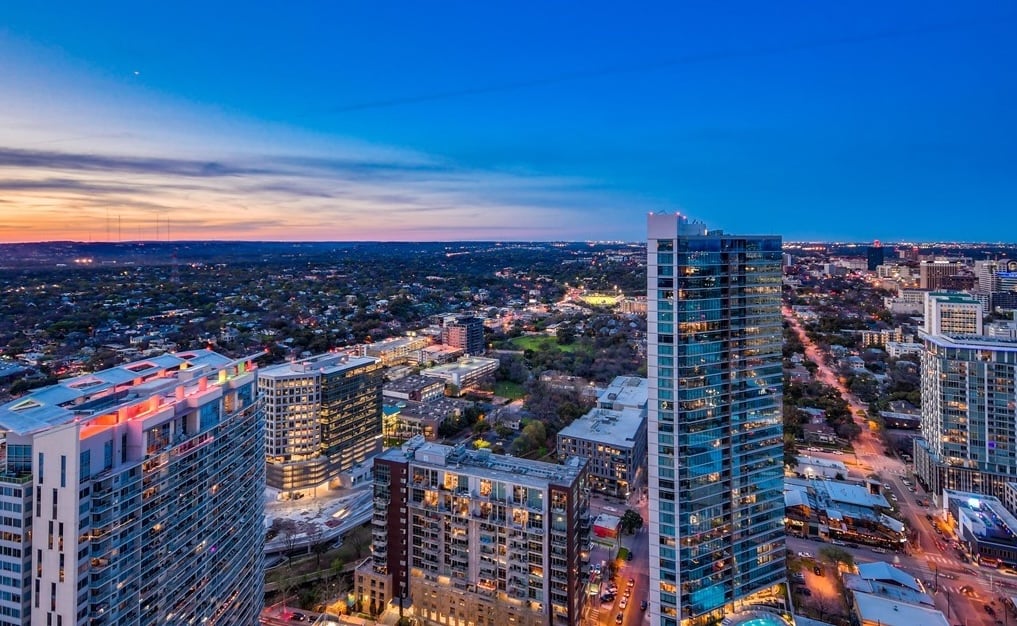
Central Austin sits just west and northwest of downtown, from Lady Bird Lake up to roughly the 38th–Koenig corridor, and between I-35 and Mopac. You’ll find mature trees, older homes alongside new builds, and limited inventory. Most streets offer quick access to downtown and the University of Texas, plus active neighborhood associations. Walkability varies by block, and small differences can change everything from school assignment to parking rules.
Neighborhood snapshots
Tarrytown: what to expect
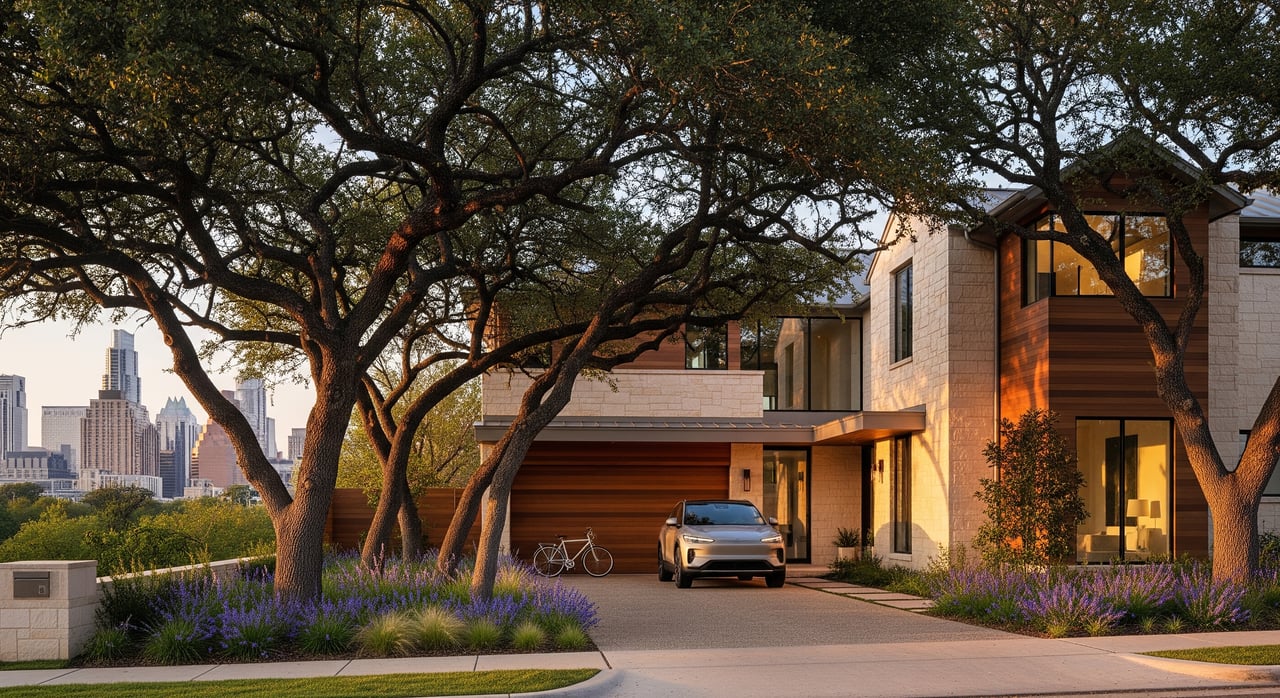
Tarrytown is primarily residential with a quiet feel and larger lots on some streets. You’ll see mid-century homes, bungalows, and more custom new construction. Parks along Lake Austin are closeby, and local retail is a short drive away. If you want space and calm while staying close to downtown, Tarrytown often fits well.
Pemberton Heights: what to expect
Pemberton Heights is a historic, tree-lined enclave with architecturally significant early-20th-century homes. The area has a strong sense of place and an active neighborhood association. Parts of the neighborhood include preservation overlays that guide design and renovation. Proximity to central parks and downtown is a major draw.
Bryker Woods: what to expect
Bryker Woods is compact, walkable, and adjacent to the Shoal Creek corridor and the University area. Many streets feature original cottages and modest bungalows, with an easy bike or short drive to North Campus and downtown. The greenbelt and trails are nearby, and the neighborhood elementary school is centrally located. It suits buyers who want a close-knit feel with quick access to central destinations.
Clarksville: what to expect
Clarksville is one of Austin’s oldest neighborhoods with a strong historic identity. Lots are typically smaller, and the vibe feels more urban than the other areas. You’ll be close to restaurants and shops near the West 6th corridor, and downtown is minutes away. Expect highly walkable blocks with compact homes and active infill.
What truly differs by block
- Lot size and yard area vary, with Tarrytown tending to offer larger lots and Clarksville often offering more compact lots.
- Historic-preservation overlays and design review can be stricter in some pockets, affecting renovation plans and timelines.
- Walkability shifts from nightlife and dining access in Clarksville to quieter, more residential streets in Tarrytown.
- Parking constraints vary by street; older, denser blocks may rely on on-street or permit parking.
Schools and options
Most of Central Austin is served by the Austin Independent School District, but the assigned elementary, middle, and high schools depend on the exact address. Attendance boundaries can change, so confirm for each property. Many residents also consider AISD magnet programs, city charter schools, and nearby private schools. Applications, lotteries, and waitlists are common, so planning ahead helps.
How to vet schools
Use a simple, thorough process to assess school fit:
- Confirm the attendance boundary
- Use the district’s address lookup tool to see the current assigned schools for a specific property.
- Review official performance data
- Check Texas Education Agency reports for test performance, graduation rates, and accountability ratings.
- Supplement with additional context
- Explore school websites and third-party review platforms for programs, class sizes, and extracurriculars. Treat community reviews as supplemental, not definitive.
- Visit in person
- Tour campuses, attend open houses or PTA events, and visit during drop-off or pick-up to observe logistics and culture.
- Plan for programs and logistics
- If you consider magnets, charters, or private schools, confirm application timelines, busing or transportation, and any special program services you need.
Typical tradeoffs include central proximity versus school assignment, lot size versus urban convenience, and the timing and logistics of magnet or private options. Decide which priorities matter most, then evaluate addresses that meet those criteria.
Commutes and transportation
Central Austin residents are close to downtown, the University of Texas, and major corridors connecting north and south employment hubs. Mopac (Loop 1) and I-35 handle most north–south traffic, while 38th Street, Lake Austin Boulevard, Martin Luther King Jr. Boulevard, and West 6th connect east–west. Lamar and Guadalupe are key local routes for central trips.
Routes and times
- Downtown: Off-peak drives can be 5 to 15 minutes. Peak hours can increase travel times due to congestion and events. For short trips, biking or transit can be competitive.
- The Domain and north nodes: Expect roughly 20 to 40+ minutes, depending on time of day and route. Rail and park-and-ride combinations vary.
- Airport: Plan on about 15 to 30 minute,s depending on traffic and route.
- Special events: UT home games, SXSW, ACL, and larger festivals can extend travel times and affect parking near downtown.
Transit options include Capital Metro bus service on core corridors and the MetroRail Red Line into downtown. Central bike and pedestrian infrastructure is strong, with the Lady Bird Lake Trail and Shoal Creek Trail offering efficient alternatives for short commutes.
Housing and regulations
Central Austin commands premium pricing because of location, limited land, and demand. Market conditions shift over time, so review current reports when you are ready to buy. Turnkey homes can draw multiple offers, and you’ll see ongoing renovation and new construction throughout these neighborhoods.
Historic districts and conservation overlays are present in parts of Pemberton Heights, Clarksville, and nearby tracts. These can influence design, demolition, and permit requirements, which may extend timelines and costs. City permits are required for remodels and new builds, and mature tree preservation rules can affect site plans and budgets.
Property taxes are based on Travis County appraisals and rates, which can translate to higher annual bills for centrally located homes with higher values. Verify utility connections, easements, and any assessments. Older homes may need inspections for foundations, historic materials, or mechanical systems.
Proximity to major roads like Mopac can introduce traffic noise, and certain blocks near nightlife may be livelier at night. Street parking rules can vary by block, and some areas use permit systems. Always verify parking and access on the specific street.
Choose your best fit
To narrow your search, first rank what matters most: school options, lot size and outdoor space, or walkability to dining and nightlife. Then test the daily routine for a few target blocks: morning school run, downtown commute, afternoon activities, and evening parking. In Central Austin, a difference of one block can change the feel, the logistics, and the rules. Careful up-front research helps you buy with confidence.
Work with a local advisor
If you want a guide who knows these streets, rules, and tradeoffs in detail, connect with a trusted Central Austin specialist. As a founding Compass Austin agent, Robin Banister blends white-glove advisement with access to private and off-market opportunities, and helps you coordinate due diligence so you can move decisively. Ready to explore Tarrytown, Pemberton Heights, Bryker Woods, or Clarksville with a clear plan? Reach out to Robin Banister for a private consultation.
FAQs
Which Central Austin neighborhood fits my lifestyle?
- Start by ranking priorities such as school options, yard size, and walkability, then test candidate blocks at real-life times to see which tradeoffs feel right.
How do I verify school assignments for a home?
- Use the district’s address lookup for the exact property and review Texas Education Agency reports, then visit campuses to confirm fit and logistics.
What are realistic commute times from Central Austin?
- Off-peak trips to downtown can be 5 to 15 minutes; peak hours and events increase times, and northbound drives to The Domain can run 20 to 40+ minutes.
Are there historic rules that affect remodeling?
- Yes, parts of Pemberton Heights, Clarksville, and nearby tracts have historic or conservation overlays that add design-review and permit requirements.
Can I find a larger yard close to downtown?
- Larger lots exist but are less common and often command premiums; Tarrytown has more larger-lot streets than Clarksville or Bryker Woods, but availability varies.