If you picture oak-shaded streets, sparkling lake views, and a quick trip into downtown, Tarrytown might be exactly what you have in mind. Maybe you want a quiet, central base that still puts parks, cafés, and culture within easy reach. In this guide, you’ll see how daily life unfolds here, what the homes are like, and the practical details to check before you buy. Let’s dive in.
Location and vibe
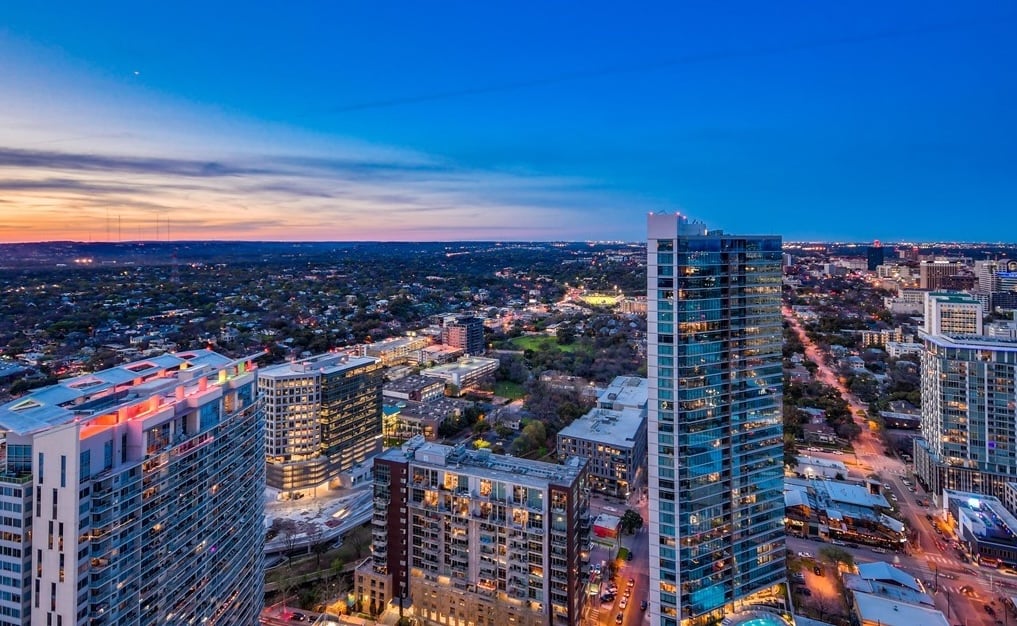
Tarrytown sits immediately west of Downtown Austin, generally bounded by Lake Austin, West 35th Street, MoPac, and the Enfield area. You get a central address with a calmer neighborhood feel, set among mature live oaks and winding streets. The area is often described as quiet luxury with an “Old Austin” sensibility near city conveniences. You will find a mix of restored early cottages, mid-century houses, and occasional contemporary or lakeside estates that keep the streetscape varied yet cohesive. Learn more about the neighborhood’s boundaries and history on the Tarrytown Wikipedia page and see local snapshots on the Tarrytown neighborhood site.
Lifestyle and amenities
Parks and lake life
Weekend routines often revolve around the water. Lake Austin lines the western edge of the neighborhood, and you can access it by public boat ramp at Walsh Boat Landing. If you own or rent a boat or paddle craft, the posted rules and launch fees make it easy to plan ahead.
For a quiet nature break, Mayfield Park & Nature Preserve offers cottage gardens, lily ponds, and the sight of free-roaming peacocks. It is small, serene, and perfect for a short stroll. You will also find neighborhood parks like Reed Park, Tarrytown Park (often called Triangle Park), and West Enfield Park with playgrounds, fields, and a public pool for everyday play and quick exercise, highlighted on the local neighborhood page.
A short hop away, the historic, spring-fed Deep Eddy Municipal Pool runs year-round for lap swimming and recreation. Golfers value the nearby Lions Municipal Golf Course, a civic landmark known as “Muny,” which has a storied place in Austin history. Read more about its legacy on the course’s Wikipedia entry.
Cafés and small shops
Tarrytown keeps commercial areas low-key and close to home. Small centers like Tarrytown Center and Casis Village provide day-to-day stops for coffee, a pharmacy, deli items, and local services. Lakeside favorites such as Mozart’s Coffee Roasters and Hula Hut draw residents for sunset views and relaxed evenings. Most everyday errands can be done locally, while broader dining and retail options are a short drive into central Austin. See a local overview on the Tarrytown neighborhood site.
Arts and culture
Laguna Gloria, part of The Contemporary Austin, sits on a lakeside estate in or near Tarrytown and hosts sculpture installations, classes, and seasonal events. The setting pairs art with gardens and water views, which makes it a regular stop for residents who like to mix culture into a walk or morning coffee.
Homes and architecture
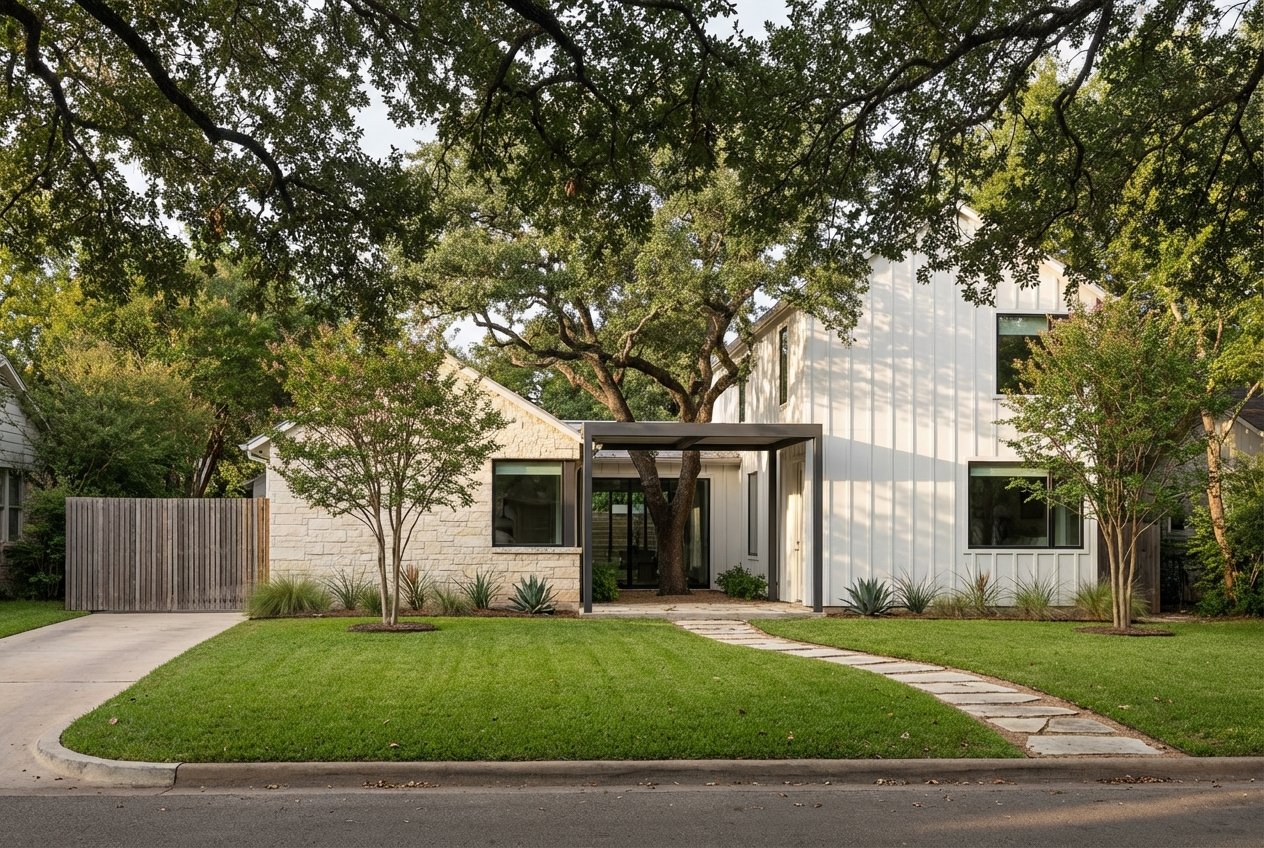
Tarrytown developed from early 20th-century estates and subdivisions, and its large live oaks shape how the neighborhood feels today. Expect a broad spectrum of homes: 1920s to 1940s cottages and bungalows, mid-century ranch houses, and larger remodels or new builds. Lakefront parcels are scarce and command a premium. That variety keeps the streetscape interesting while maintaining a primarily low-rise, single-family character. You can find a concise history and character overview on Wikipedia and an architectural snapshot on the neighborhood site.
Lots often feature mature trees, established landscaping, and occasional slopes. Many older homes have seen thoughtful updates, though you will still find properties where a renovation plan is part of the purchase decision. If you value authenticity and heritage details, you will see plenty to appreciate.
Market snapshot
Pricing in Tarrytown reflects its central location, lake proximity, and established character. Recent neighborhood indicators place the median sale price in the low to mid seven figures, with lakefront and fully reimagined homes trading significantly higher. Listing medians can skew upward when inventory includes waterfront or extensively renovated properties, so it is smart to compare active asking prices with recent closed data.
High-end sales and the occasional celebrity transaction near Lake Austin underscore the luxury segment. For context on the area’s top-tier activity, see coverage of recent notable listings in the Houston Chronicle. The key takeaway is that price ranges vary widely by exact location, lot size, and degree of renovation.
Getting around
You are very close to the downtown core, with many residents driving just a few miles for work, dining, or shows. When commute time matters, test the route during peak hours so you can set realistic expectations. Local CapMetro bus routes serve the area, which gives you an option beyond driving for trips into central corridors. You can read a general overview on Tarrytown’s Wikipedia page.
Walkability and biking are block-specific. Some pockets make it easy to stroll to a park or café, while larger errands often rely on a car. You will see plenty of bikes out for nearby trail loops and neighborhood rides, especially on fair-weather weekends.
Buyer considerations
Before you fall in love with a leafy street or a peek of water, verify the details that affect long-term value and livability. A little diligence upfront can save you time and help you negotiate with clarity.
- Flood risk and insurance. Riverside and low-lying parcels can fall within mapped floodplains. City floodplain maps and recent code updates mean you should request seller disclosures, ask for elevation certificates, and obtain insurance quotes early. See background on Austin’s floodplain updates in the Austin Monitor.
- Lake access nuance. Not every Tarrytown property has private dock rights. Confirm any claimed lake access in the deed or through easements. For public access, review posted rules and fees at Walsh Boat Landing.
- Trees and permitting. The neighborhood’s mature canopy is a defining asset and a planning consideration. City rules can affect remodels or rebuilds, especially when protected trees are involved. Factor permitting timelines into your renovation budget and schedule.
- Older home systems. Ask about roof age, drainage, foundation and termite history, as well as major mechanical updates. Many buyers choose to renovate for modern function while preserving curb appeal. See a neighborhood overview of typical housing stock on the Tarrytown site.
- Neighborhood awareness. For local issues and updates, consult the Tarrytown Alliance, which serves as a touchstone for community information and expectations. Visit the Tarrytown Alliance.
Showing checklist
Bring this quick list to your first round of tours:
- Review City flood maps and get early insurance quotes.
- Confirm any advertised lake or dock rights in writing.
- Ask about recent tree work and whether permits were required.
- Evaluate roof, drainage, termite, and systems history on older homes.
- Note slope, sunlight, and tree canopy that may affect future additions.
- Plan your peak-hour drive to and from likely destinations.
Who Tarrytown suits
Tarrytown fits you if you want a central address with a calm, residential feel. You like the idea of walking under established oaks to a pocket park, meeting friends for a lakeside coffee, or launching a paddleboard within minutes. You value architectural variety with the option to renovate or design a modern home that still respects the street’s character. If you prioritize proximity to downtown and lake access in a classic West Austin setting, this neighborhood checks those boxes.
The resident experience
Daily life here tends to be pleasantly routine in the best way. Mornings start with soft light filtered through the tree canopy as joggers head toward the water. Midday, Mayfield Park is a quick escape for a quiet walk among garden paths and peacocks. Late afternoon, you hear the hum of boats on Lake Austin and see neighbors ease into the evening on shaded porches. Stone facades and manicured lawns read as heritage and comfort rather than flash, which gives Tarrytown its steady sense of place.
Ready to explore Tarrytown?
If Tarrytown sounds like a fit for your next chapter, you deserve guidance from someone who understands its micro-markets, permitting nuances, and off-market opportunities. For discreet, white-glove advisement and a tour calibrated to your goals, connect with Robin Banister to request a private consultation.
FAQs
What is Tarrytown’s location relative to Downtown Austin?
- Tarrytown sits just west of downtown, generally bounded by Lake Austin, West 35th Street, MoPac, and the Enfield area, which keeps city access quick while preserving a residential feel. See the neighborhood’s Wikipedia page for context.
What outdoor amenities define daily life in Tarrytown?
- Lake Austin access via Walsh Boat Landing, pocket parks like Reed and Tarrytown Park, Mayfield Park & Nature Preserve, and the nearby Deep Eddy Municipal Pool shape weekend routines.
What types of homes are common in Tarrytown?
- You will see early 20th-century cottages, mid-century ranches, and larger contemporary remodels or new builds, with rare Lake Austin parcels commanding premiums. Explore a snapshot on the Tarrytown neighborhood site.
How competitive is pricing in Tarrytown’s housing market?
- Median sale prices generally land in the low to mid seven figures, with significant variability based on location, lot size, and renovation level. High-end and waterfront properties can trade far above the median.
How do I verify lake or dock access for a Tarrytown home?
- Ask for written proof of any private access or dock rights and review recorded easements. For public access, consult posted rules and fees at Walsh Boat Landing.
What should I check for older homes in Tarrytown?
- Review roof age, drainage, foundation, termite history, and mechanical updates, and factor tree-related permitting into any renovation plan. The Tarrytown site provides context on typical housing stock.